Japan Digital Nomad Visa 2026: Complete Guide — Income, Eligibility & Application
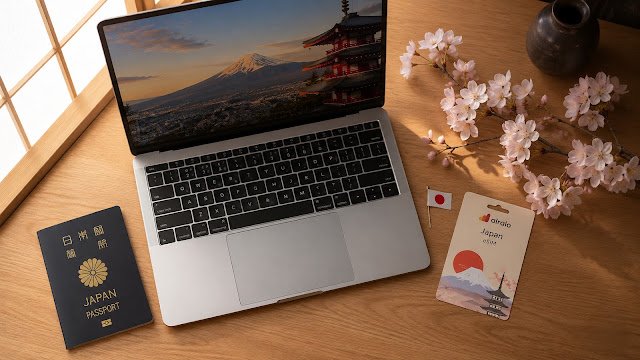
Japan launched its digital nomad visa in March 2024, and in 2026 it is still one of the most selective in Asia. The income bar is high at ¥10 million a year (about $64,000–70,000), you also need ¥10 million in private medical cover, only 51 countries and regions qualify, and the stay is capped at 6 months with no extension. For those who qualify, it opens the door to one of the most remarkable places in the world to work remotely.
This guide covers every requirement for the Japan digital nomad visa as of October 2026: the income and insurance rules that catch applicants off guard, how eligibility works, a realistic look at tax, and the application steps through Japanese embassies worldwide. One change since this guide was first published: Japan’s visa fees went up fivefold on 1 July 2026.
✅ Who Is Eligible — 2026
Japan’s digital nomad visa has three requirements, and you must meet all of them at the same time: nationality, income and health insurance.
Requirement 1 — Nationality
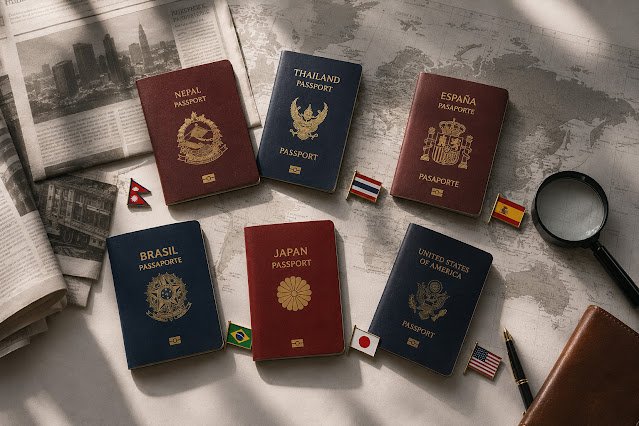
You must hold a passport from one of 51 countries and regions that have both a visa waiver arrangement and a tax treaty with Japan. The list includes the US, the UK, Canada, Australia, New Zealand, most of Europe, Singapore, South Korea, Taiwan, Hong Kong, Brazil, Mexico and the UAE. No African country is on the main list.
⚠️ Always check the official list for your nationality
The list is published by Japan’s Immigration Services Agency and the Ministry of Foreign Affairs (mofa.go.jp), and it can change. The examples above are not a complete list. The list for accompanying family members is longer than the list for the main applicant.
Requirement 2 — Income
You must show an annual income of at least ¥10 million (about $64,000–70,000, depending on the exchange rate) from work for employers or clients outside Japan. It is one of the highest income thresholds of any digital nomad visa.
| Applicant type | What you show | Typical documents |
|---|---|---|
| Remote employee | Salary from a non-Japanese employer | Employment contract, payslips, bank statements showing deposits |
| Freelancer | Income from non-Japanese clients | Tax returns, client contracts, invoices, bank statements |
| Business owner | Personal income from your business | Tax returns, company registration, bank statements |
💡 Freelancers: ask how your income is assessed
Consulates look at tax records and contracts, and the exact method can differ. If your taxable income after expenses is close to ¥10 million, ask your embassy before you apply whether it assesses gross revenue or net income, and which documents it wants.
Requirement 3 — Health insurance
You must carry private health insurance for the whole stay. The policy has to cover death, injury and illness, with at least ¥10 million in medical treatment cover, and you attach the insurance certificate to your application. Digital nomad visa holders cannot join Japan’s National Health Insurance, so this private policy is compulsory.
📋 What You Can and Cannot Do on This Visa
| Activity | Allowed? |
|---|---|
| Work remotely for a foreign employer | ✅ Yes |
| Freelance for non-Japanese clients | ✅ Yes |
| Work for a Japanese company | ❌ No |
| Take Japanese clients or Japanese-source income | ❌ No |
| Bring a spouse or children | ✅ Yes, under an accompanying visa for the same 6 months |
| Extend beyond 6 months | ❌ No, non-renewable |
| Re-apply right after the 6 months | ❌ No, wait 6 months after leaving Japan |
| Get a residence card (Zairyu card) | ❌ No, not issued for this visa |
| Join Japan’s National Health Insurance | ❌ No, private cover required |
| Open a Japanese bank account | ⚠️ Difficult, banks usually ask for a residence card |
💴 Tax Rules — Read This Carefully
✅ What usually applies
The visa itself doesn’t create a special tax regime. Japan generally treats someone without a domicile in Japan, who has not lived there continuously for a year, as a non-resident for tax purposes, and non-residents are generally taxed only on Japan-source income. Because this visa lasts 6 months and requires income from outside Japan, many holders owe little or no Japanese income tax on their foreign earnings.
⚠️ Don’t plan to the exact day
Many guides say that staying 183 days or fewer keeps you a non-resident, and some say that crossing that line can make income from the whole stay taxable in Japan. Sources differ on how this works, and the tax treaty between Japan and your home country also matters. Leave a comfortable buffer and get advice if you plan a longer stay or your situation is complicated.
🇺🇸 US citizens and your home country
US citizens are taxed on worldwide income wherever they live. The Foreign Earned Income Exclusion may reduce US tax but does not automatically remove it, so speak to a US expat tax adviser before the trip. Everyone else should also check where they remain tax resident at home.
📝 Step-by-Step Application Process
Confirm that your country is on the official list from Japan’s Immigration Services Agency or Ministry of Foreign Affairs (mofa.go.jp) before you spend time on documents. Use the official source, not third-party summaries.
⏱ 10 minutesUse your most recent tax return and contracts to see whether you clear the threshold. If you are close to it, ask your embassy how it assesses your type of income before you apply.
⏱ Review tax returnsYou need private medical cover of at least ¥10 million for the whole stay, covering death, injury and illness. Get the insurance certificate and check that it states the amounts clearly, because your embassy will want to see them.
🛡️ Get the certificateTypical documents: valid passport, application form, photo, a statement of your planned activities, proof of income and the insurance certificate. Your embassy publishes its own checklist, and documents not in English or Japanese may need translations.
⏱ Allow 2–4 weeksA Certificate of Eligibility is not required, so you apply directly at the Japanese embassy or consulate in your country. For applications since 1 July 2026, the fee is ¥15,000 for a single-entry visa (it was ¥3,000 before).
📍 Follow your consulate’s processProcessing can take from about 5 working days to several weeks, depending on the consulate and the season. Apply at least 8 weeks before you plan to travel to be safe.
⏳ Apply 8 weeks earlyThe visa must be used within 3 months of the issue date. Your 6-month stay starts when you enter, and you will not receive a residence card, so keep your own record of your arrival and departure dates.
📅 Enter within 3 months🏙️ Best Cities for Nomads in Japan
Budgets below are rough monthly estimates for one person. Check current prices before you commit.
Internet is generally fast in the main cities, but check the connection in your accommodation before you book, especially for a 6-month stay.
❓ Frequently Asked Questions
Can I extend the Japan digital nomad visa beyond 6 months?
No. The visa is non-renewable and cannot be extended, so you must leave Japan before the 6 months end. After you leave, you have to wait 6 months before you can apply again, and each stay needs a full new application.
Can I bring my family?
Yes. Spouses and children can apply for an accompanying visa with the same 6-month period. The main applicant has to qualify first, and each family member needs their own private insurance with at least ¥10 million in medical cover. The list of eligible nationalities for family members is longer than the list for the main applicant.
Does the ¥10 million income include investment income?
The requirement is aimed at income from work for employers or clients outside Japan. Passive income such as dividends, rent or crypto gains may not count, so confirm with your embassy before you apply.
What eSIM works best in Japan?
Japan’s main carriers (NTT Docomo, SoftBank and au) cover the major cities well. A travel eSIM such as Airalo lets you have data from the moment you land. Activate it before you fly and compare current plans.
Can I open a Japanese bank account on this visa?
This is a real limitation. Japanese banks usually ask for a residence card, and this visa doesn’t come with one. Most nomads use Wise for yen payments and conversion, and many convenience store ATMs accept foreign cards.
Everything you need to apply, arrive and stay connected in Japan. Some links are affiliate links.
Keep Reading
Is Japan’s Digital Nomad Visa Worth Applying For in 2026?
Yes, if you meet all three requirements. Japan’s visa is one of the most selective in Asia, and for qualifying applicants it offers a legal way to spend 6 months working remotely in a country with excellent infrastructure, safety, food and culture.
The income bar is real and high. At ¥10 million a year, it excludes most digital nomads. If you are below it, remember that tourist entry isn’t designed for work, so remote work on it sits in a grey area. Look at longer-stay options elsewhere in Asia instead.
The 6-month non-renewable structure is the biggest limitation. This is a fixed, short chapter, not a long-term relocation, and you will not get a residence card. Plan it that way.
Plan the tax side early. The visa doesn’t create a tax break by itself, but a 6-month stay with income from outside Japan often means little Japanese income tax. Check your home-country position and get advice before you go.